The Origin of Prayer (Genesis 4)
This exposition was given to Ballymena Baptist Church at a prayer meeting on 26 May 2026. The manuscript can be found below.
The Bible is full of passages that teach us about prayer. Some deal with the topic directly. For example, when the disciples come to Jesus and ask him, in Luke 11, teach them how to pray. Other portions of Scripture provide models for us to indirectly learn from, such as the book of Psalms in the Old Testament and the prayers of Paul in the New Testament. However, one aspect of the Bible’s teaching about prayer that can often be overlooked is the origin of prayer. That is, the historical circumstances that led mankind to begin to pray.
I wonder if you have ever thought about that? Prayer seems such a normal part of our everyday Christian, and every week church life, that we might assume that it has always been so. And yet, the Bible tell us that there was a moment in time when mankind began to call out to God, began to pray. And this evening I want to spend a few moments considering that part of God’s Word together, so that we can ensure our approach to prayer reflect the original circumstances that brought the practice of prayer about in the first place.
So when did man start to pray? Well, please do turn with me to the book of Genesis, and specifically to chapter 4: [READ] Two very simple points I want to show you in our passage this evening. Firstly, I want you to notice the consequences of the fall (4:1-24). And then the cry of the faithful (4:25-26).
(1) THE CONSEQUENCES OF THE FALL (4:1-24)
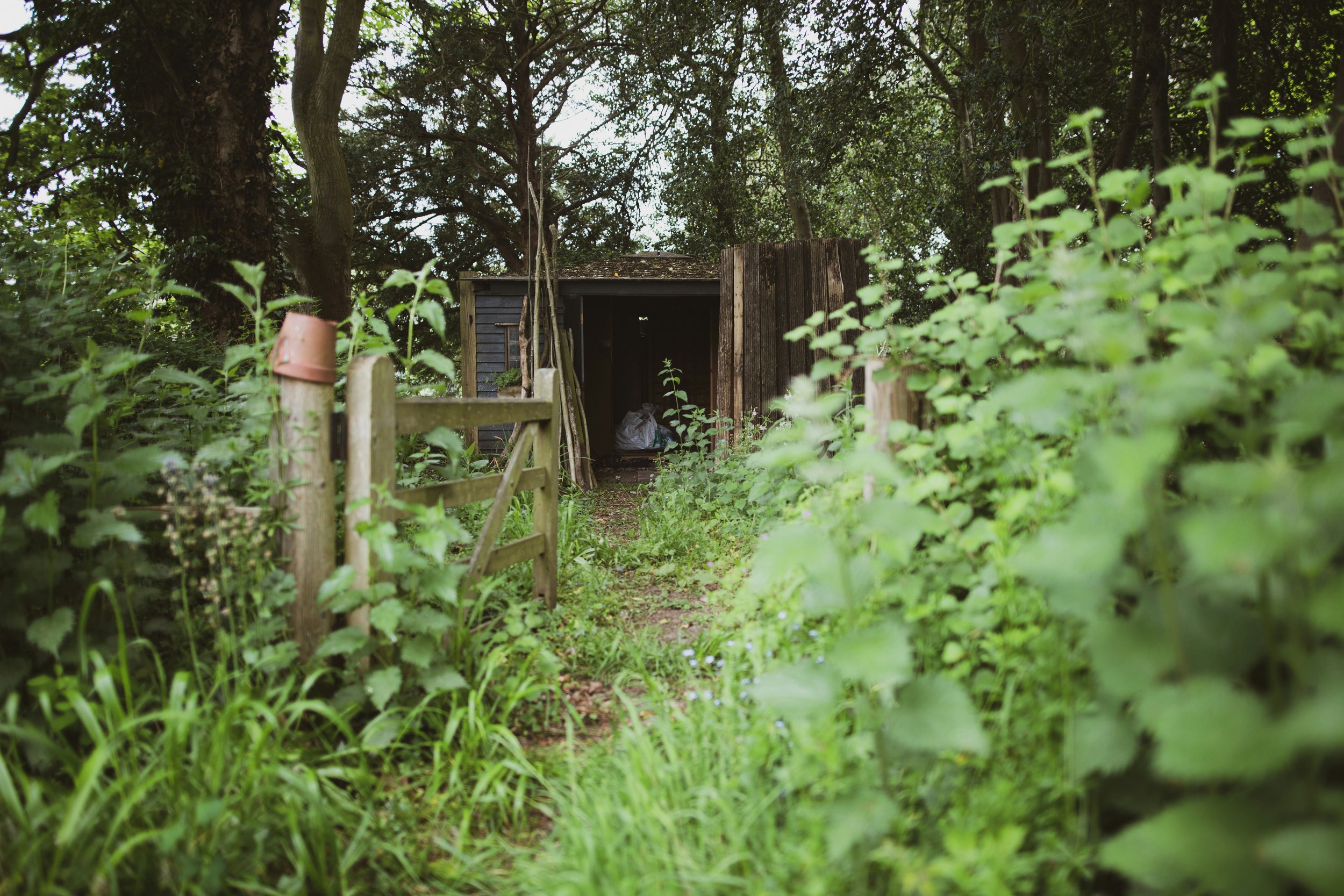
I’m not sure if you have noticed, but this Spring has been a particularly bad one for weeds in the garden. The combination of mild temperatures and damp weather has created an ideal environment for weeds like dandelions, nettles and others to grow up and thrive. If you have flowerbeds around your house, you will have noticed this, seen these unwanted guests quickly spread out and begin to overcome and overshadow the genuine plants. Perhaps you’ve spent the last few days of good weather pulling the weeds up from the ground, trying to ensure you remove their deep roots so they don’t return later in the season.
That imagine of weeds spreading out across a garden, and digging their roots deeper down into the ground, is a helpful one as we turn to consider what is happening here in this chapter. For this chapter is all about how sin is doing the very same thing. You will know that Genesis 3 tells us the story of how sin arrived in an innocent world. How Satan seduced Adam and Even to fall into sin. And now, here in Genesis 4, we see the consequences of that fall. Having just arrived on the earth in Genesis 3, sin now slowly begins to spread out, like a weed, its roots begin to go down deeper and deeper into the human heart, and its tentacles being to stretch out further and further across the face of the earth. In Genesis 4, sin, like a weed, goes down deeper and spreads out wider.
We can get a sense of the depth of sin here by noticing the escalation of evil, how sin increases in intensity. We have went from the eating of a piece of forbidden fruit, as heinous as that was, to not only the first murder, but the first fratricide. Brother killing brother. And it gets even worse later in the chapter, where we are introduced to the character of Lamech, a descendant of Cain, who not only murders a man like his ancestor did, but also breaks the covenant of marriage by introducing polygamy, and then sings a boastful song of his murderous antics to impress his two wives. After the low point of Adam and Eve’s sin in Genesis 3, we see that far from getting better, things are only getting worse. As sin sinks its roots deeper and deeper into the human heart.
However, we also see sin spread its tentacles out wider and wider across the world. For far from sin causing Cain and his other infamous family members to flounder and falter, it instead seems like they are flourishing. A bit like a weed! Instead of disappearing into obscurity, we learn Cain starts a city in 4:17, which he names after his son. And similarly, that this sinful figure of Lamech fathered 3 sons, who have impressive claims to fame. There in 4:20-22, we learn that one of his sons was the first farmer to dwell in a tent and move his livestock around, which soon became the dominant practice. Another son introduced the idea of music. A third son created the craft of forging metal instruments, not just for tools, but also surely for weapons. The family of Lamech were the cultural and industrial pioneers of their day! And so we see the very people who are sinking deeper into sin, boasting of evil deeds, and the ones who are founding cities, forging civilisations. In short, we see that the wicked are flourishing. Like that weed in your flowerbed, they are digging deeper, spreading wider, they are beginning to take over. Indeed, the situation is summarised perfectly in just another chapter when in Genesis 6:5, we read: [READ]. This situation is ultimately the context for why God sent the flood. However, before it provides the context for that event in Genesis 6, we see that it provides the context for another event here in Genesis 4. For having seen the consequences of the fall in 4:1-24, the last two verses of the chapter introduce us to the cry of the faithful. There in 4:25, we read: […READ…].
(2) THE CRY OF THE FAITHFUL (4:25-26)
If you remember back to Genesis 3, you will know that sin on that occasion resulted in God calling out to man. As the authorised version has immortalised it, God comes into the Garden and asks, ‘Adam, where art thou?’ He calls out the name of man. But here, at the end of Genesis 4, we see that the continuation of sin has now led to the opposite happening, for here mankind now begins to call out the Lord’s name. We don’t know what the first prayers were, but given the context, I think it would be fairly good summary to say that they said a kind of reverse of what God said in the Garden. Not ‘Adam where are you’ but ‘God where are you?’
God, where are you? Can you not see how the wicked flourish? How your world has been overrun by sin? How thorns and thistles have not only grownup from the ground, but found their roots in our very hearts? How cities of sin are being set up? How civilisations are being started by the worst kinds of men? How family is falling apart? Brother kills brother? A man takes two wives? A young man is cut down in his prime? How there is no fear of justice or shame anymore, but sinners boast of their exploits and flaunt their iniquities? You can just imagine those are the kinds of things that these first faithful few began to cry out together at their little prayer meetings. They cry out: ‘God where are you?’ A bit like how David will eventually pray so many times throughout the Psalms, asking why God is allowing the wicked to flourish, rather than causing them to be punished. From this we see that prayer, from its very first occurrence in Scripture, is the response of God’s people to the brokenness of God’s world. When we find ourselves heartbroken at how things are around us, we should direct our eyes and open our mouths to cry out to the one above us. To ask for his intervention in all the mess and mayhem of life.
That is the origin of prayer. It is the response of God’s people to the brokenness of God’s world. Or as one commentator puts it, ‘Prayer is God’s prescription for life in a fallen world.’ (John O) It is the prescription, the medicine we need when we encounter the disease of sin that is all around us and even within us.
That is how the practice of prayer started. The Bible will go on to say so much more about the topic of course, but this glimpse of its first beginning should shape how we think about and approach prayer not only in the rest of the Bible bout also in our own lives. For indeed, we find here in these few phrases not just a glimpse into prayer’s first origin, but also a glimpse into its final object. Here we are told not only about the beginning, but also about the end of prayer.
For did you notice that is only after the birth of a son, the arrival of a new seed for Adam and Eve that mankind find the hope to cry out God? Back in Genesis 3, God promised that the seed, the offspring, of Adam and Eve would crush the serpent and cut off sin forever. It seems clear that the line of Cain was doing the very opposite, and that God’s promise would not be fulfilled through them. And yet, we are told that another son is born, another seed is appointed, a new line appears through Seth, at the end of the dark story of Genesis a small shaft of light appears, a new hope emerges, it seems that God has not forgotten his promise, and so people begin to call out to him for salvation. A salvation that is ultimately fulfilled through Jesus.
In prayer, man cries out ‘God where are you?’ And in the person of Jesus, God replies, ‘Here I am.’ Coming into this world of sin, and shedding his blood like our ancestor Abel, he uproots all the weeds and stops the spread of sin forever. It is because of God’s promise that that we know our prayers will be answered. It is because of Jesus we know that all who cry out to him will ultimately be saved. For as the prophet Joel, and the apostle Paul, later put it, everyone who calls on the name of the Lord, who does what these first few faithful ones did in Genesis 4, everyone who calls on the name of the Lord will be saved.